Writing an engaging description of a product or service and posting it online is known as classified ads submission. The description may include the name, contact information (such as a phone ...

26Apr

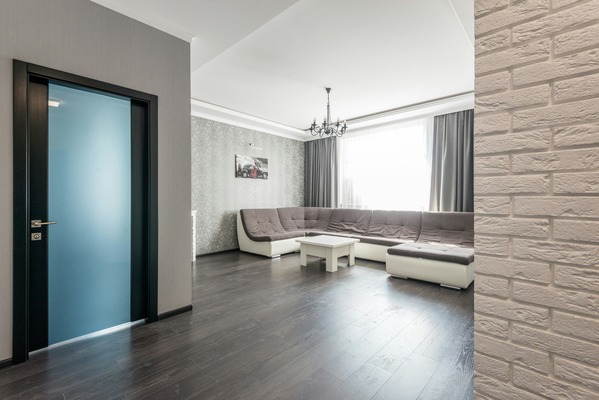
Planning a new floor is exciting. If you want to update your kitchen, remodel your living room, or finish a new building project, the flooring will transform its entire appearance. It is crucial to estimate your floor space accurately before you make a decision on flooring.
Homeowners often undervalue this step. After buying materials, they discover there is no material or that there is too much. Both errors cost both money and valuable time. When you order flooring in too-low quantities, the installation can be delayed, and there may even be colour problems if the batches change. Spending more than you can afford is a waste of money. This is why it’s important to understand how to calculate flooring material quantities correctly for an easy renovation.
Gather all the tools you need before beginning. Equipping yourself with the correct equipment can save time, ensure accuracy, and improve efficiency.
Basic tools include:
Use these tools to get accurate room measurements.
Unfortunately, many people do not consider waste. There is always extra flooring material needed for every project. Waste occurs due to:
Professional contractors often rely on a building estimating company to calculate materials with precision. These services evaluate room layout, installation pattern, and material type to determine the ideal waste percentage. This approach reduces financial risk and ensures smoother project execution.
To begin, measure the dimensions of your room. Multiply both numbers.
Square footage = Height x Width
Take, for instance:
A 12 x 15 foot area is equal to 180 square metres.
When the room shape is rectangular or quadrilateral, you can use this technique.
Several rooms aren’t perfect rectangles. You may find closets in the room, as well as alcoves. The following is what happens in this situation:
This method is more accurate and will ensure that you don’t miss any sections.
Each space, such as closets or hallways, can be individually measured and the sum total added. It is important to consider the material needed in even the smallest spaces. It is important to take your measurements carefully. This will help you avoid any costly surprises.
Different materials require different calculation considerations. The final amount needed is affected by both the method of installation and the size of planks.
Hardwoods often need additional material because of the variation in colour and grain. It is important to arrange the boards carefully so that they are visually consistent.
The spacing between grout lines is required for all tile projects. Be sure to take into account the space between each tile when measuring your quantities for floor tiling quantity takeoff. There is more waste when tiles break.
These materials are usually sold in boxes covering a specific square footage. Always round up to full boxes rather than partial coverage. Proper flooring estimation accounts for these material-specific details and avoids under-ordering.
How much waste is generated by a floor depends on its type.
|
Flooring Type |
Recommended Waste Percentage |
|
Hardwood |
10% |
|
Laminate |
8–12% |
|
Vinyl Plank |
5–10% |
|
Tile |
10–15% |
|
Diagonal Patterns |
15% |
Each room must be measured separately. Once you have totalled all the rooms, add them together.
It is easy to understand:
This method will ensure accuracy in open-concept plans.
The flooring direction will affect the quantity of materials you require. Installing planks parallel to the longest wall will reduce waste. Not all patterns are waste-free.
Because of the increased frequency of cuts, complex patterns need careful planning. Never underestimate the amount of waste that decorative designs will generate.
Prior to purchasing flooring, you should inspect the subfloor. Uneven surfaces require levelling compounds or underlayment.
Make sure to adjust the estimate in case subflooring repairs result in a reduction of usable surface or additional material layers. It is important not to ignore this step.
For contractors, digital software and sophisticated measurement tools are indispensable. Laser devices can help estimators analyse increased precision and accuracy, especially when used in large areas.
Professional estimators analyse:
This structured approach minimises errors while protecting budgets.
Here are some common mistakes that you should avoid:
Precision helps to avoid delays, unnecessary costs, and spending.
When you’ve calculated your total square footage, multiply the number by the material price per sq. foot. Take, for instance:
220 square feet x $4 per square foot = $880 material cost
Please include the following:
The financial situation is clearer when you have a budget.
When your project has complex layouts, large areas for commercial use, or expensive materials, you can minimise risk by hiring an estimator. It is important to consult a professional when you are working with hardwood or tile that has intricate patterns.
It is easier to install if the preparations are made in advance.
The most crucial step in any construction or remodelling project is learning how to accurately estimate the flooring needed. Accurate measurements will protect your finances and reduce delays, as well as ensure that the installation is done smoothly. Each step is important to achieve better results, including measuring rectangular spaces and handling odd layouts.
It doesn’t matter whether you plan a renovation for a big property or a smaller home. Careful planning will make all the difference. Applying the techniques described in this book, you can feel confident and clear before deciding on your flooring. Spend time measuring and planning. Smart preparation creates beautiful, lasting floors.
The amount of extra material required varies from 5 to 15 per cent, depending on the layout and type of flooring.
Square footage is calculated by measuring the two corners of a room and adding their totals.
The unit of measurement specified by the supplier is what you should use. In America, the majority of flooring is measured in square footage.
If the installer stops midway and tries to install the same order later, it may be difficult.
If you are working on a large project or a complex one, it is best to hire specialised support. This will improve the accuracy of your work and help reduce errors.